
Showing all 8 results
-
 69%
69% -
67%
-
70%
-
 46%
46% -
 64%
64% -
 In Stock
 -
 69%
69% -
 In Stock
Dog Bowls & Feeders: What You Need to Know for Better Feeds & Vet Care
Selecting the ideal dog bowl and feeder is a tiny choice that has an significant effect on your pet’s health. A good bowl facilitates feeding, prevents spills, keeps food safer, and aids in digestion, all of which are key elements of good veterinary care and the well-being of animals. To ensure you’re getting everything right, we go over the introduction, significance, types, how to make decisions, and frequently asked questions below.
Why the Right Bowl and Feeder Matters
Your pet’s comfort, safety, and health are all directly impacted by the bowl or feeder they grab, even though it may seem like just a small choice. While the right option favours long-term well-being and healthy eating habits, the wrong choice can result in serious issues.
1. Avoiding the Health Dangers of Fast Eating: Many pets, particularly dogs, have an impulse to eat very quickly. Fast eating may seem harmless, but it may give rise to choking, vomiting, and bloat, a potentially fatal condition in large dog breeds. Slow-feeder bowls, which encourage pets to eat steadily, have been shown to reduce these risks drastically.
2. Importance of Proper Hygiene in Feeding: When it comes to feeding equipment, cleanliness often gets neglected. According to a study, a majority of owners failed to properly clean bowls or store food. Bacterial growth, contamination, and digestive issues may result from this. Maintaining hygiene and avoiding illnesses can be attained by using easily cleaned stainless steel bowls and by washing them often.
3. The Role of Bowl Material, Shape & Height: Every bowl is distinct, and the way they are made has a direct effect on the posture and comfort of the animals. Stainless steel bowls, for example, are the most resistant to rust, long-lasting, and safe for food materials. Plastic is easily scratched and can harbour bacteria. Ceramic is more durable, but it breaks easily. Selecting the bowl’s shape is just as essential. Pets with flat faces, such as Persian cats and pugs, do much better in shallow bowls, whereas long-nosed breeds do far better in deep bowls. Elevated feeders make feeding simpler by easing the strain on joints and the neck, even for large or elderly dogs.
4. Supporting Overall Animal Health & Wellness: Convenience isn’t the only priority when choosing feeding equipment. Avoiding contaminated bowls helps prevent illnesses among animals. Also, animal health services by lower hazards such as neck strain, dental wear, and bloat.
Types of Dog Bowls & Feeders
Although feeding your dog might seem like an easy job, the type of bowl or feeder you choose can have a significant impact on your dog’s eating habits, digestion, posture, and general health. Not all dogs eat in the same way; some eat promptly, some nibble slowly, and some require extra care because of their age or medical conditions. It’s essential to pick a bowl that fits your dog’s needs because of this.
The most commonly used dog bowls and feeders are explored in detail here, along with their benefits:
1. Regular Bowls (Stainless Steel / Ceramic / Plastic)
The most prevalent bowls are perfect for daily feeding. Bowls made of stainless steel are quick to clean, long-lasting, and generally dishwasher safe. They usually are non-toxic and do not hold smells. Ceramic bowls are less likely to crumble over because they are heavier. They should not contain lead-based paints, but they can also be appealing. Although plastic bowls are inexpensive and lightweight, improper cleaning can cause them to scratch easily and harbour bacteria. Ideal for everyday feeding when you’re looking for a simple but dependable solution. Make sure they are safe and strong for your pet at all times.
2. Slow Feeder Bowls
Some dogs eat too much, which can result in indigestion, bloat, or even choking. In order to slow down your dog’s eating, slow-feeder bowls are made with ridges, spirals, or maze-like layouts. Better digestion helps ensure that overeating is avoided, bloating and vomiting are less likely, and mealtime is made more interesting and thrilling. For fast eaters, gulping puppies, or breeds that are prone to digestive issues, this is highly recommended.
3. Elevated Bowls
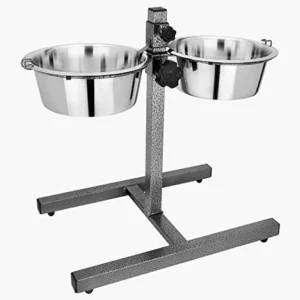
These bowls are elevated above the surface by resting on a stand or platform. Large breed dogs (such as Great Danes or Labradors) and older dogs with joint pain or arthritis are the most suitable candidates. For dogs who have mobility, neck, or back challenges as well.
Frequently Asked Questions
1. Do slow-feeder bowls really help reduce the risk of bloat or overeating?
Yes. Studies confirm slow slow-feeder bowls slow the eating rate and reduce overeating. They are especially helpful for fast eaters and large breeds.
2. Is stainless steel better than plastic bowls?
Generally yes. Stainless steel is more durable and less likely to harbour bacteria. Plastic can scratch/deteriorate, which may lead to bacteria buildup.
3. How often should I clean my dog’s bowls?
Daily for food bowls; water bowls daily too. Weekly deep cleaning or sanitisation is recommended. Studies show many owners aren’t following proper hygiene, leading to high bacterial contamination.
4. Should I get elevated bowls?
If your dog is large, older, or has mobility or neck issues, elevated bowls help with posture and reduce strain.

 Home
Home  Wishlist
  Checkout
  Account
  Dog
Dog Cat
Cat Cattle
 Poultry
 Goats & Sheeps
 Equine
 Fish
Fish Bird
Bird Pharmacy