
Showing 73–96 of 122 results
-
 In Stock
 -
 In Stock
 -
 In Stock
 -
 In Stock
 -
 In Stock
 -
 In Stock
 -
 In Stock
 -
 In Stock
 -
 In Stock
 -
 In Stock
 -
 In Stock
 -
 In Stock
 -
 In Stock
 -
 In Stock
 -
 In Stock
 -
 In Stock
 -
 In Stock
 -
 In Stock
 -
 In Stock
 -
 In Stock
 -
 In Stock
 -
 In Stock
 -
 In Stock
 -
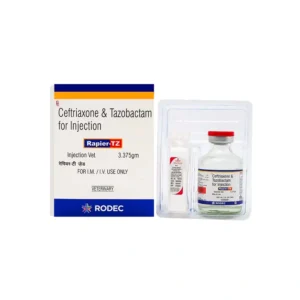 In Stock
Cattle health and veterinary supplies form the backbone of livestock management. Healthy cattle don’t just mean better milk or meat production—they also ensure the overall well-being of farms, farmers, and even the communities that depend on them. Over the years, studies have shown that timely veterinary care and the right cattle supplies can prevent most major diseases, increase productivity, and improve the life span of cattle significantly.
At our core, we believe every animal deserves proper care—because even one sick cow can affect an entire herd and the livelihood of a farmer. That’s why investing in the right cattle health and veterinary supplies is not an expense but a necessity.
How to Choose the Right Cattle Veterinary Supplies
One of the most crucial choices for farmers and livestock owners is choosing the appropriate veterinary supplies for their animals. The safety, efficacy, and suitability of the medications, supplements, and equipment you use for your cattle will determine their health, productivity, and general well-being. Before making a purchase, take into account the following important factors:
1. Veterinary Guidance: Never take supplements, vaccines, or veterinary medications without first consulting a professional. A trained veterinarian can determine the precise state of your cattle’s health and suggest the best product and dosage. For instance, a cow with mastitis needs a particular medication that can only be prescribed by a veterinarian. Without supervision, self-medication can worsen risks and prolong recovery.
2. Quality and Safety Standards: Always seek out approved veterinary products that adhere to safety regulations set forth by the government and industry. Unfortunately, low-quality or counterfeit medications are widely available and can cause more harm than good. Using reputable brands guarantees that your cattle are treated effectively and without unintended consequences. Additionally, make sure the labels, expiration dates, and packaging are correct.
3. Animal-Specific Requirements: A calf, a heifer, and a nursing cow all have distinct health requirements, so cattle are not all created equal. For instance, dairy cows need feed additives high in minerals to produce more milk, while young calves might need nutritional supplements to strengthen their immune systems. Effective results are guaranteed when the product is matched to the animal’s age, weight, and overall health.
4. Ease of Administration: Select materials that are simple to use and suitable for farmers. Cattle and handlers are frequently stressed by medications that are challenging to administer. For example, injectables should have clear instructions, and oral supplements should be in palatable forms. Additionally, using the right syringes, applicators, and dosage instruments lowers mistakes and increases the effectiveness of treatment.
5. Proper Storage and Handling: Strict storage requirements, like refrigeration, are necessary for many veterinary supplies, particularly vaccines. They can become totally ineffective when exposed to sunlight or at the wrong temperature. Always store goods according to the manufacturer’s recommendations, and make sure the necessary temperature is maintained during transit. For safety tracking, farmers should also maintain a record of batch numbers and expiration dates.
6. Cost vs. Long-Term Value: While budget matters, choosing the cheapest option is rarely the best strategy in cattle healthcare. An ineffective or harmful product may cause diseases to worsen, leading to higher veterinary bills and reduced milk or meat yield. Instead, focus on reliable products that may cost more upfront but safeguard your herd’s long-term health and productivity.
Types of Cattle Veterinary Supplies
Cattle, just like humans, need consistent care to stay healthy and productive. Veterinary supplies play a crucial role in preventing diseases, boosting growth, and ensuring that cows and bulls live long, healthy lives. Below are the main categories of cattle veterinary essentials, explained in detail:
1. Vaccines & Disease Prevention
Timely vaccination is one of the most crucial components of cattle care. Vaccines guard against common bacterial and viral infections that would otherwise spread rapidly throughout herds. Disease outbreaks are drastically reduced for farmers who comply with a structured vaccination schedule, which results in healthier cattle, lower losses, and higher-quality milk or meat. The most effective long-term investment in herd health is vaccination.
2. Antiparasitic Treatments
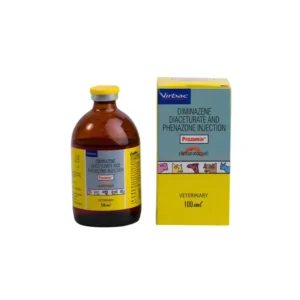
Cattle’s silent enemies are parasites. By depriving them of vital nutrients and causing irritation or infections, external parasites like ticks, mites, and flies, as well as internal parasites like worms, weaken cattle. Cattle that receive regular deworming and treatments for external parasites are guaranteed to be able to absorb nutrients from their feed appropriately. Stronger immunity, consistent growth, and increased productivity all result from this.
3. Nutritional Supplements
Cattle frequently require extra assistance from mineral mixtures, vitamin supplements, and protein boosters, even with the best feed. Strong bones, successful reproduction, healthy growth, and increased milk production all depend on these supplements. Additionally, they increase disease resistance, which guarantees that cattle will continue to be active and productive for the duration of their lives.
4. Reproductive Health Supplies
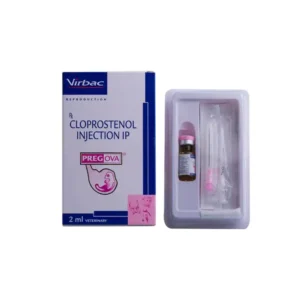
The continuation of livestock farming depends on reproduction. Products that enhance genetic quality and boost productivity include hormone treatments, artificial insemination (AI) kits, and fertility enhancers. Through the use of modern reproductive technologies, farmers can maintain herd size, produce healthier calves, and enhance the general quality of their cattle over many generations.
5. First Aid & Emergency Care
When working with large animals, accidents and infections are unavoidable. Having first aid supplies on hand, such as bandages, disinfectants, and painkillers, guarantees that wounds or infections can be treated right away. Timely intervention prevents minor wounds from turning into life-threatening conditions, reducing both cattle suffering and financial loss.
Frequently Asked Questions
1. Why is regular veterinary care important for cattle?
Regular care prevents disease outbreaks, improves productivity, and ensures overall herd well-being.
2. How often should cattle be dewormed?
Vets usually recommend deworming every few months, depending on the environment and cattle condition.
3. Can farmers administer veterinary supplies themselves?
Basic care, like supplements or first-aid, can be handled by farmers, but medicines and vaccines should only be used under veterinary supervision.
4. Are nutritional supplements necessary if cattle already have good feed?
Yes, because even balanced feed may lack essential minerals and vitamins needed for growth, reproduction, and immunity.

 Home
Home  Wishlist
  Checkout
  Account
  Dog
Dog Cat
Cat Cattle
 Poultry
 Goats & Sheeps
 Equine
 Fish
Fish Bird
Bird Pharmacy