
Showing all 4 results
-
 In Stock
 -
 65%
65% -
 In Stock
 -
 In Stock
Explore essential cat litter and daily supplies that make life easier for you and your feline
Finding the right cat litter and supplies is crucial for animal healthcare, hygiene, and comfort, for your feline companion and your home. Proper litter helps manage odour, prevent infections, and encourage good bathroom habits. In India alone, over 10 million households own cats, yet many still struggle with litter box issues due to poor product choices.
Types of Cat Litter and Supplies
The right cat litter and essential supplies make a huge difference in your cat’s hygiene and comfort. So know your options before you fill that litter box:
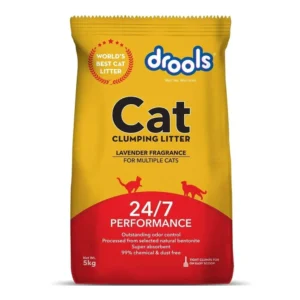
Clumping Clay Litter: Whenever this litter becomes wet, it forms clumps that are easy to scoop. It’s ideal for absorbing liquid and reducing odours. However, because it seems heavy to carry and is dusty, it might not be as popular.
Non-Clumping Litter: It is made from recycled paper, wood chips, or crystals. It usually becomes more affordable as well produces less dust, but because it doesn’t trap smells well, it needs to be changed more than usual.
Biodegradable Litter: These sustainable choices are made with cassava, corn, wheat or pine pellets. Though they generally cost more, they are soft, reusable, and dust-free. Its soft texture appeals to many cats.
Silica / Crystal Litter: In any of the cold regions you visit, you can now easily take your pet dog with you. And not only snowy areas, these would even help ageing dogs who need more warmth. We’ve jackets especially designed with insulated layers, so no pet is refrained from enjoying the cold.
Benefits of Cat Litter and Supplies
Cat litter essentials not just ensure better health of your feline friend but also keep your home clean, odour-free, and reduce your workload. Here’s how exactly it’d pay off.
Better Hygiene: High-quality cat litter quickly soaks up waste, minimising mess and bacterial growth. This keeps the space clean and odour-free.
Controls bad smells: Clumping and crystal litters quickly capture odours, making sure the litter box doesn’t smell bad for long.
Less mess around the house: Your cat is less likely to drag litter outside the box if you provide them with adequate supplies. You will have to do fewer cleanups as a result.
Health Monitoring: You may detect early signs of illness, such as a change in colour or texture, by observing changes in your cat’s urine or poop, which can be seen in certain litters.
Environmentally Friendly Options: Natural, biodegradable litter made of paper, wood or corn is now available.
How to Choose the Right Cat Litter and Supplies
Choosing the right cat litter keeps your house clean and your cat healthy, in addition to being cosy. Here are some factors to think about to arrive at the best decision:
Consider Your Cat’s Preferences: Some cats do not like dusty textures or strong odours. Consider trying brown sand or a soft, biodegradable litter that feels nice on your cat’s paws if they are sensitive.
Clumping or Non-Clumping: When wet, clumping litter shrinks into tight balls. It’s perfect for keeping the box fresh and for scooping every day. Although non-clumping litter is cheaper and less dusty, you will need to replace the entire box more often.
Dust & Allergy Consideration: If you or your cat has dust allergies, go for silica gel or paper-based litter. These are low in dust and gentle on the nose and lungs.
Fighting Odours: For homes that need extra odour control, choose clay or crystal litter with baking soda or built-in odour blockers. Even natural brown sand works well if mixed with an odour-reducing agent.
Ease & Frequency of Cleaning: If you prefer less frequent changes, silica or strong clumping litters reduce maintenance. But biodegradable litter may need a full change every week.
Environmental Concern: Eco-friendly litter made from corn, wheat, or recycled paper is compostable and better for the environment.
Budget & Availability: Clay litter is widely available and affordable. Silica and biodegradable options cost more, but they usually last longer and offer better features. Choose one according to your needs.
How to Maintain a Cat Litter Box
Regular cleaning and maintenance of the litter keeps it fresh and your cat healthy. Do a few things to maintain it without hassle:
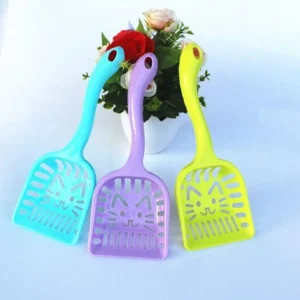
Scoop Every Day: For optimum results, use a scoop with holes to remove solid waste and clumps at least once every day.
Deep Clean Weekly: Empty the box fully, wash with mild soap and water, dry thoroughly before reusing it.
Replace Litter: Replace Non‑clumping litter once a week, and clumping/silica litter may need topping up only.
Use Liners & Mats: They prevent mess and make disposal simpler.
Choose Location Wisely: The best locations are the ones that are low-traffic, quiet, and private. Avoid placing near feeding dishes or noisy appliances.
Ventilate Area: Keep the room fresh and avoid overpowering air fresheners near the box.
Frequently Asked Questions
How much litter should I use?
Fill the box with 2–3 inches (5–7 cm) depth. Too shallow will lead to poor clumps, and too deep will be a waste of litter.
How many litter boxes do I need?
Use one box per cat and keep one extra to avoid stress when multiple cats share a home.
Can I flush the litter down the toilet?
It’s not a good idea and can lead to plumbing blockages. Even cat litter that’s marketed as plumbing-safe can cause problems. So it’s better not to do it.

 Home
Home  Wishlist
  Checkout
  Account
  Dog
Dog Cat
Cat Cattle
 Poultry
 Goats & Sheeps
 Equine
 Fish
Fish Bird
Bird Pharmacy